
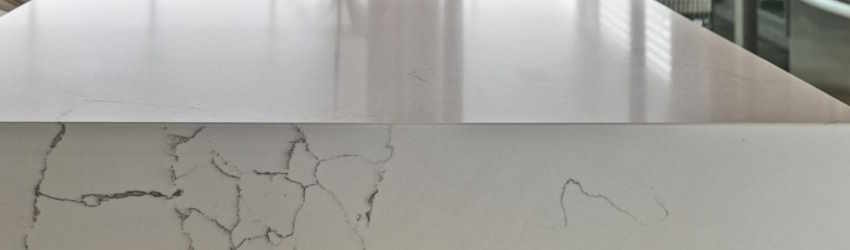
Speculation about health risks associated with some engineered stone
There has been much talk in the KBB industry recently about potential links between some artificial stone materials and diseases such as lung cancer, COPD and Silicocis. The Australian government took the step of banning the sale of some high silica products from July 2024. These illnesses have been linked to stonemasons and so within the KBB industry fabricators of these products have been classed as "at risk".
What is the actual problem?
When slabs of engimeered stone material are cut to produce worktops and similar products, the dust produced will contain a level of silica, and the health risks associated with this crystalline silica dust, are a primary concern in the worktop industry.
The risk of exposure is entirely present during the cutting process. Once the worktops are installed in the home they are considered safe as there is no likelyhood of dust being produced. So please do not panic if you have quartz worktops fitted, the silica dust is produced during the cutting process at the manufacturers.
There are many types of stone and stone effect worktops, the danger is primarily with the types falling under the Quartz or Engineered Stone varieties.
Engineered Stone (Quartz) and Solid Surface
Sometimes these generic terms are take to mean the same thing, so many people think that Solid Surfaces and Enginered Stone or Quartz are similar in composition, whwen in fact there are comsiderable differences.
The generic terms Quartz and Engineered Stone refer to the same product groups, where artificial stone is created using crushed quartz and a resin binder, the crushed quartz being basically crystaline silica. However while many Solid Surface materials will look very similar, they are manufactured using an acrylic binder and a mineral blend or sometimes recycled materials such as glass, which are free from the problem crystaline silicates.
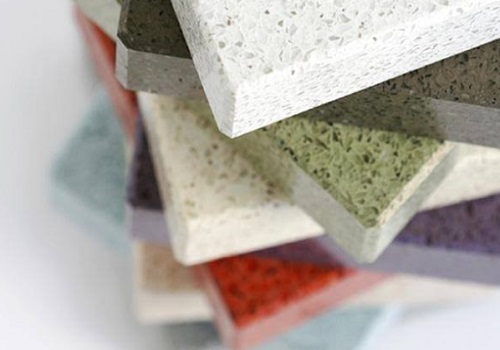 Silica-free solid surface materials are non-quartz-based countertop options, like Corian, Durat (recycled plastic), PaperStone (recycled paper), and some recycled glass/resin composites, that eliminate the hazardous silica dust risks during fabrication found in traditional engineered stone (which contains ~90% silica). These alternatives use acrylics, natural minerals, or recycled content for a safer, durable, non-porous surface, ideal for health-conscious environments.
So what about Natural Stone?
Actually most natural stone worktops (like granite, marble, quartzite) are not silica-free, as silica is a primary component in rocks, though content amounts vary, but the risk comes from inhaling fine respirable crystalline silica dust during cutting and sanding, there is no risk from worktops or other stone products once installed in your kitchen.
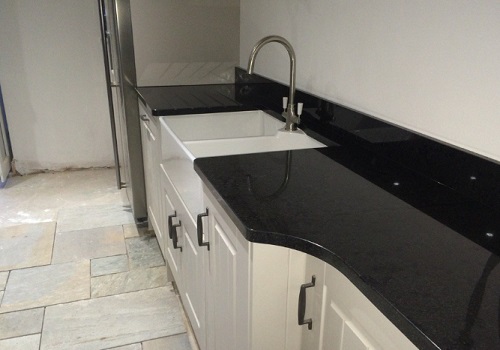
How do Silica contents compare?
Silica Content in Common Stones:
Granite: Contains around 15-30% silica.
Sandstone: Can be over 70% silica.
Quartzite: Often has very high silica content, potentially over 95%.
Marble/Slate: Also contain silica in varying amounts.
What materials are free of Silica?
Solid surface materials are inherently silica-free, composed primarily of a blend of natural minerals (specifically alumina trihydrate) and acrylic or polyester resins, making them a safe and hygienic choice for various applications.
The primary advantage of silica-free solid surface materials is the elimination of health risks during cutting and fabrication.
However domestic benefits include:
- Their non-porous nature makes them highly hygienic, resisting stains and the growth of mold, mildew, or bacteria.
- While not as hard as engineered stone, they are highly durable and can be easily repaired and restored to their original appearance if scratched or damaged.
- These materials offer seamless joints, which creates a smooth, continuous, and aesthetically pleasing appearance in various applications.
- Solid surfaces are thermoformable, meaning they can be heated and molded into various shapes for custom designs, including integrated sinks.
Porcelain worktops are considered a safe, low-silica, or silica-free alternative to traditional engineered stone because they're made from natural clays and minerals fired at high temperatures, not mixed with large amounts of crystalline silica quartz, meaning they don't release dangerous silica dust during cutting. While porcelain contains some naturally occurring silica (like kaolin clay), it's bound in a dense, non-toxic matrix, unlike engineered stone that has high percentages of free crystalline silica.
Porcelain uses natural clays, feldspar, and mineral oxides, which are heated intensely, vitrifying into a solid, durable surface and doesn't require adding large amounts of silica powder. Like Solid Surface materials it offers high resistance to heat, stains, scratches, and UV light, making it a durable and low-maintenance option.
Glass worktops are considered silica-free in the context of the health risks associated with crystalline silica dust. While glass is fundamentally a silica material (amorphous silicon dioxide), it does not contain the hazardous crystalline form of silica that causes serious lung diseases like silicosis when inhaled as fine dust.
The key difference lies in the form of the silica:
Crystalline silica (quartz, granite) poses a significant health hazard during cutting, grinding, or drilling, as it creates dangerous respirable dust.
Amorphous silica is the form found in glass. It has a different atomic structure and is considered inert and non-hazardous when inhaled.
Recycled Glass Worktops:
Many silica-free worktop options are actually made from recycled glass fragments embedded in a cement or resin binder.
Sintered Stone is a product simlar to porcelain which uses advanced technology to mimic stone without silica, using natural clays and minerals, offering another zero (or very low) silica content.
Improvements in Engineered Stone.
Not surprisingly there has been a positive response from the solid surface industry. Although the present risks are contained within manufacturing facilities, companies engaged in fabricating engineered stone have taken steps to significantly reduce, and in some cases totally eliminate silica from their raw materials. Their claim is that a re-balance of the ratio of component parts is allowing all the benefits of the original products even though the silica content has been well reduced. there is, however, a warning to consumers that the price point is likely to rise a little, as the type and quality of glass used in the newer formulations needs to be of a high standard. Some newly emerging lower priced engineered stone products will not contain the same high quality glass and likely a higher percentage of resins which may have the effect of the product fading over time. Basically their point is that the slightly higher price of the established brand names is down to research and development of the lower silica compositions, and their efforts to absolutely maintain product quality.
With this in mind, if you have concerns as a consumer, your best option is to take advice from your supplier and specifically request a low or zero silica option for your worktop.
There are many options now available which will provide the durability, hygiene and great looks without the risks to the fabricators.
A final word about VOCs:
There can sometimes be a very small health risk during installation with the release of volatile organic compounds (VOCs). VOCs are chemicals that can be emitted from certain materials, including some types of adhesives and sealants used in the installation of engineered stone. These chemicals can cause eye and respiratory irritation, headaches, and other health problems if inhaled in large quantities over an extended period of time. Again, once installed, VOC emission is no longer a concern, so the risk of exposure over a sufficiently long time to sustain any harm is pretty well zero.
Worktop Fabricators Federation

The WFF have a membership who are skilled and qualified in the fabrication of engineered stone and other solid surface materials. You can find further advice and reassurance on their website.